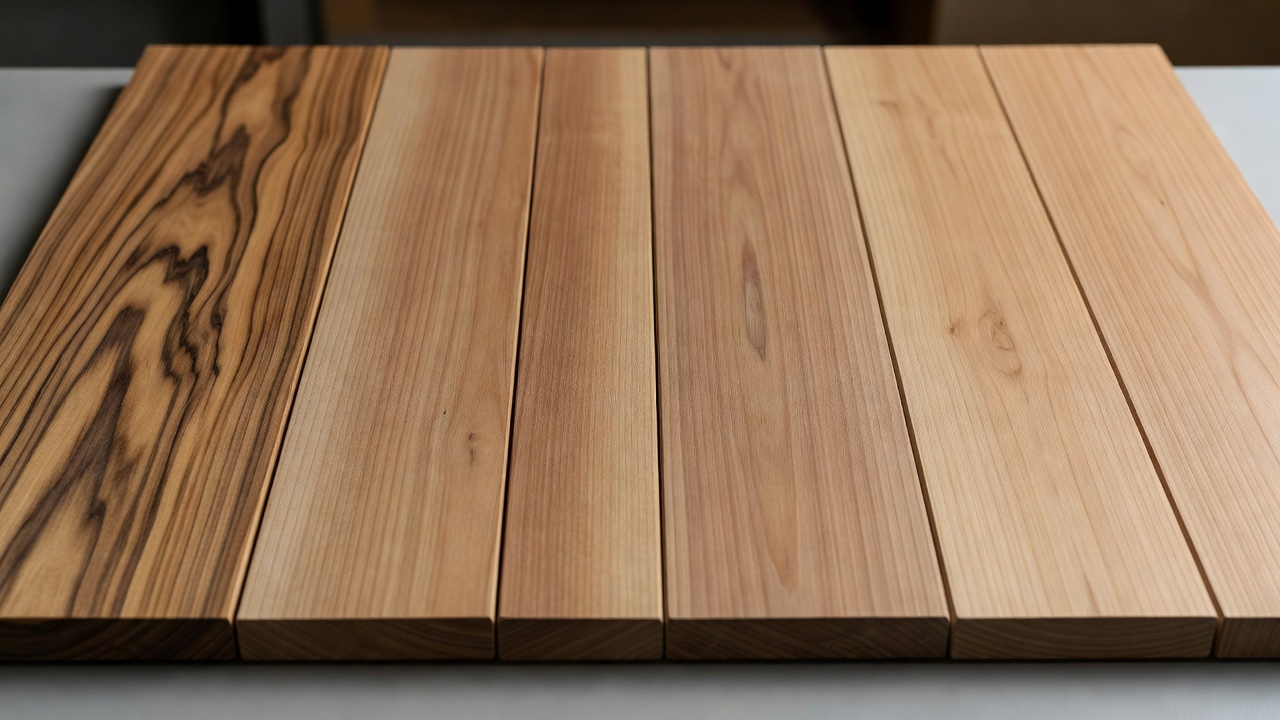
Separate appearance from protection
A finish changes several things at once: color, reflectivity, touch, cleanability and the way later repairs must be approached. A product described as natural, clear or matte may still produce a noticeable shift in cedar’s appearance. The useful question is not simply which finish looks least finished. It is which complete finish system provides suitable performance while preserving the grain character you value.
Begin with exposure. A display ledge and a frequently wiped table do not need the same protection. Consider standing water, household cleaners, skin contact, heat and abrasion separately. No broad finish category guarantees performance in all of these situations, and a glossy surface is not automatically tougher than a matte one. Product formulation, preparation, application thickness and curing conditions all matter.
| Approach | Typical character | Question to resolve |
|---|---|---|
| Unfinished wood | Direct grain and texture | Can the surface tolerate marks and difficult cleaning? |
| Penetrating oil | Often deepens color | What maintenance and spill resistance are documented? |
| Hardwax oil | Often low sheen; systems vary | How are local repairs and full recoats performed? |
| Wax | Soft sheen and tactile change | Is its limited resistance suitable for the use? |
| Film-forming coating | A more continuous surface layer | Does it suit cedar, indoor use and the expected cleaning? |
Understand what cedar contributes
Cedar’s color and extractives can influence the result. Some boards absorb stain unevenly, while end grain can darken more than adjacent faces. Knots and resinous areas may need treatment specified by the coating manufacturer. If a water-based coating, primer or opaque finish is being considered, check whether the system addresses extractive staining on the exact species.
The name “cedar” is not enough to establish compatibility. Tell the supplier whether you are working with western redcedar, aromatic eastern redcedar, another identified wood, or an uncertain reclaimed material. Existing finishes create another variable. A new coating may not bond properly over wax, polish, contamination or an incompatible old film, even when both products work well on bare wood.
Make a representative sample
Use an offcut from the same material whenever possible. Prepare it with the same sanding sequence and cleaning method planned for the final piece. Apply the full recommended schedule, including any conditioner, sealer or primer that belongs to the system. A single thin wipe on an unrelated scrap does not show the finished result.
Label the back with the product, preparation and application date. View the sample upright and horizontal, in daylight and under the lamps used after dark. Compare it beside the actual wall color and textiles. Wait for the specified cure before evaluating intended use; dry to the touch and fully cured are not interchangeable conditions. Follow the manufacturer’s guidance rather than inventing a universal waiting period.
Prepare safely and avoid improvised chemistry
Read both the technical data sheet and safety data sheet. Provide ventilation, dust control and protective equipment appropriate to the work. Sanding dust should not be treated as harmless because the wood is natural. If a reclaimed or older painted piece may contain hazardous coatings, stop and seek suitable testing or qualified advice before disturbing it.
Oily rags can self-heat and cause fires. Follow the product’s exact instructions for handling, storage and disposal; never leave used rags crumpled in a pile. Do not mix finish products or thin them with whatever solvent happens to be available. An outdoor preservative is not automatically suitable for indoor furniture, and a coating intended for decorative wood is not automatically appropriate for food-contact surfaces.
Design the maintenance before the first coat
Ask how routine cleaning works and what happens when the surface is damaged. Some systems allow localized repair more readily than others, but the repaired area may still look different. A film finish can provide useful protection while making an invisible spot repair challenging. Recoating may require cleaning, abrasion or complete removal, depending on the product and its condition.
Keep the product information and a labeled sample. Use coasters or pads where suitable, remove spills promptly, and avoid harsh cleaners unless they are explicitly permitted. Never assume that adding oil revives every dull finish. A surface may be dirty, abraded or coated with an incompatible film rather than simply thirsty.
The right finish is a practical agreement between appearance, use and upkeep. It should leave you understanding what the surface can handle, what it cannot, and how you will look after it when the first marks appear.